Dermatologie in
Zürich Seefeld
Unsere Hautärzte sind für Sie da.
Anreise mit dem ÖV: Tram Linie 2 oder 4 von Zürich Stadelhofen / Linie 4 von Zürich Hauptbahnhof bis Haltestelle Feldeggstrasse. Von da 3 Minuten zu Fuss zur Dermis Hautklinik Zürich Seefeld.
Anreise mit dem Auto: Unseren Patienten stehen zwei Parkplätze zur Verfügung.
Dermis Hautklinik Zürich Seefeld
Dufourstrasse 101
8008 Zürich
+41 44 555 08 00
seefeld@dermis-hautklinik.ch
Öffnungszeiten
| Montag | 08.00–18.00 Uhr |
| Dienstag | 08.00–18.00 Uhr |
| Mittwoch – Freitag | 08.00–17.30 Uhr |
Neu Walk-in:
Ohne Termin vorbeikommen (Routenplaner).
Exzellenz für Ihre Haut erleben – mitten in Zürich
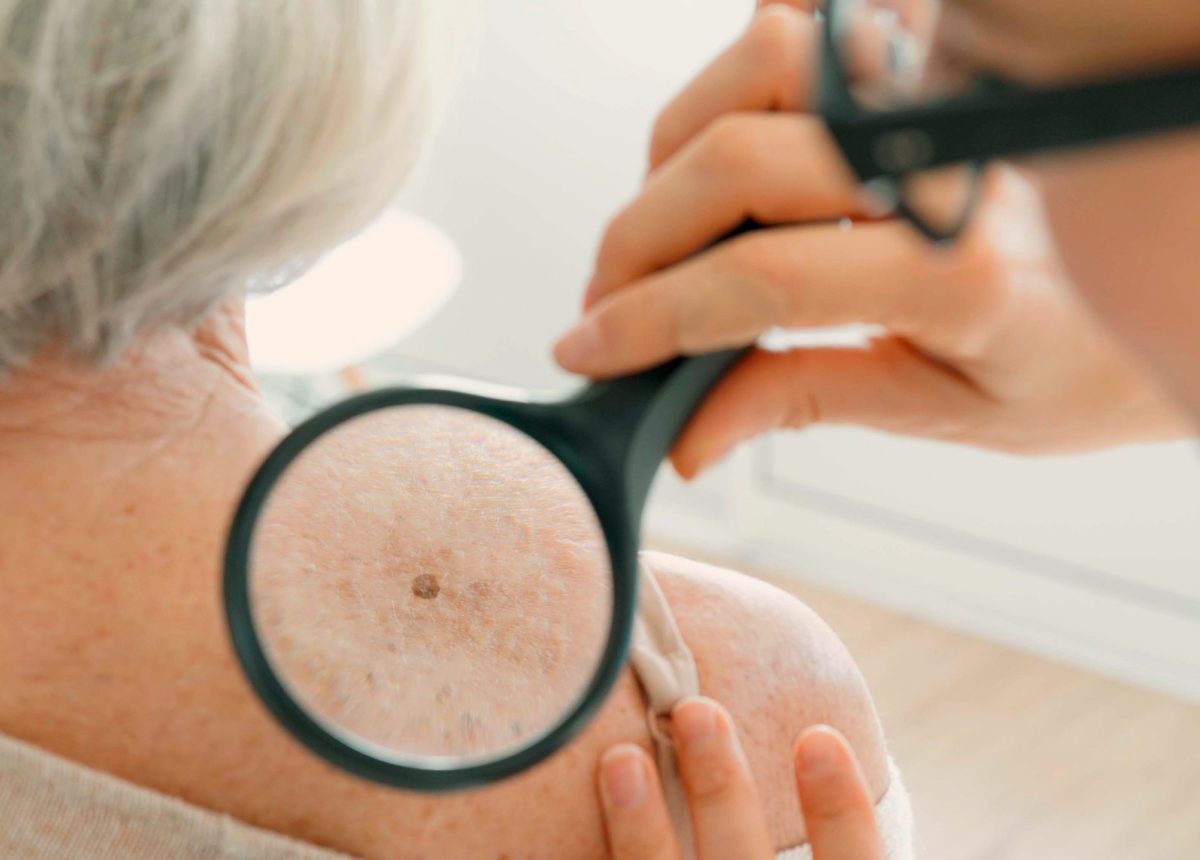
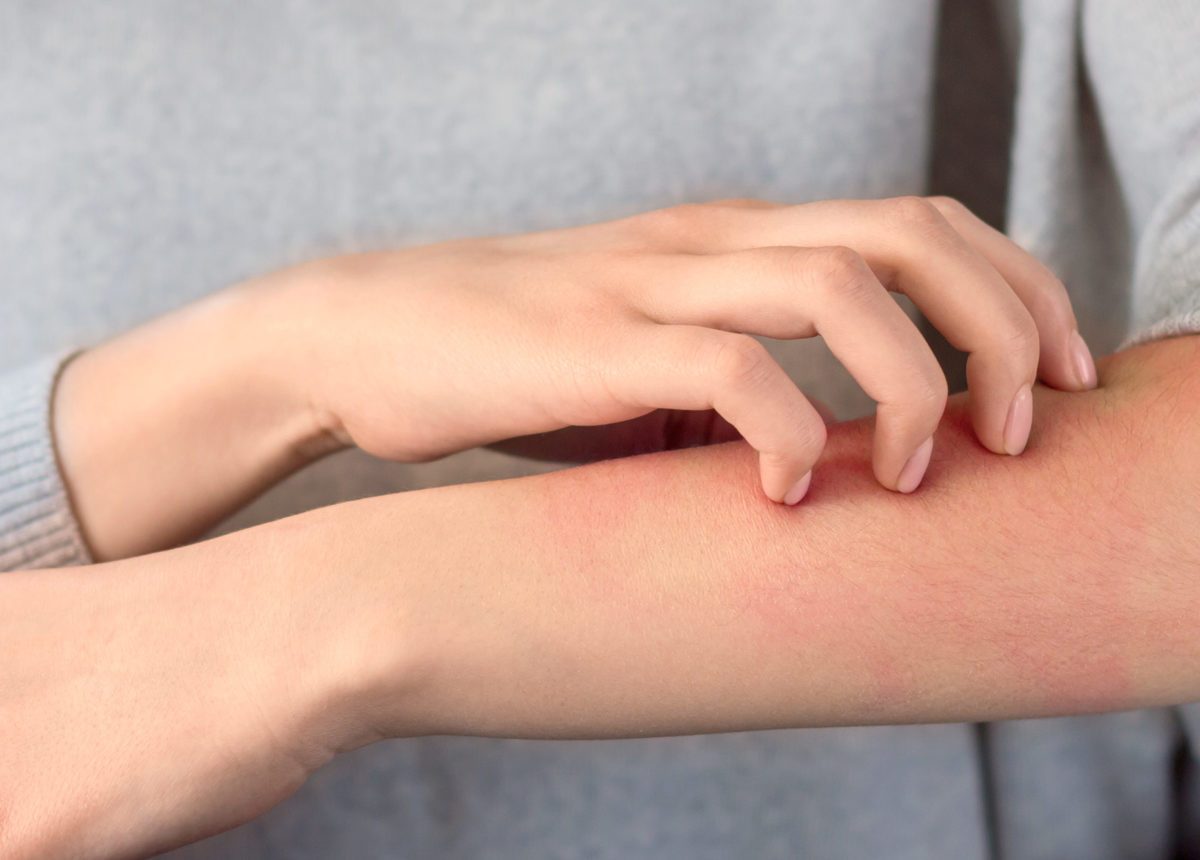
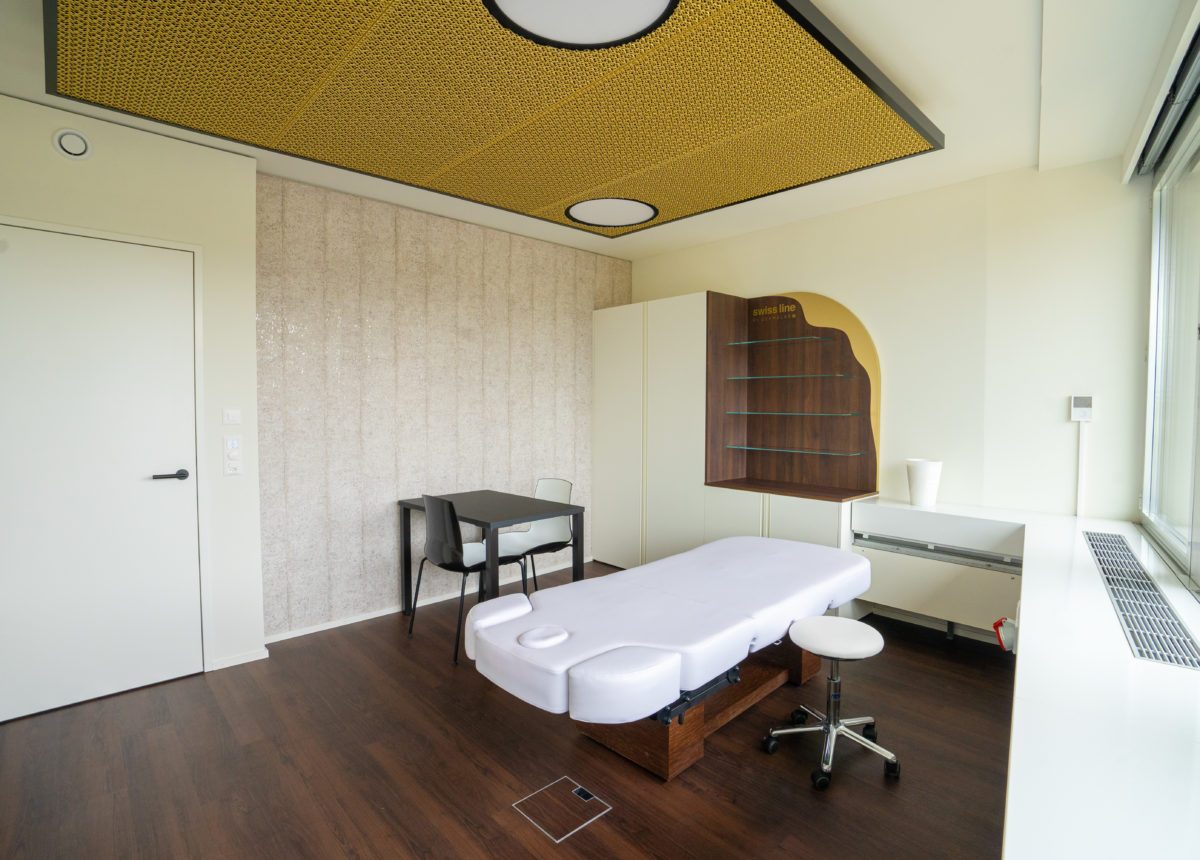
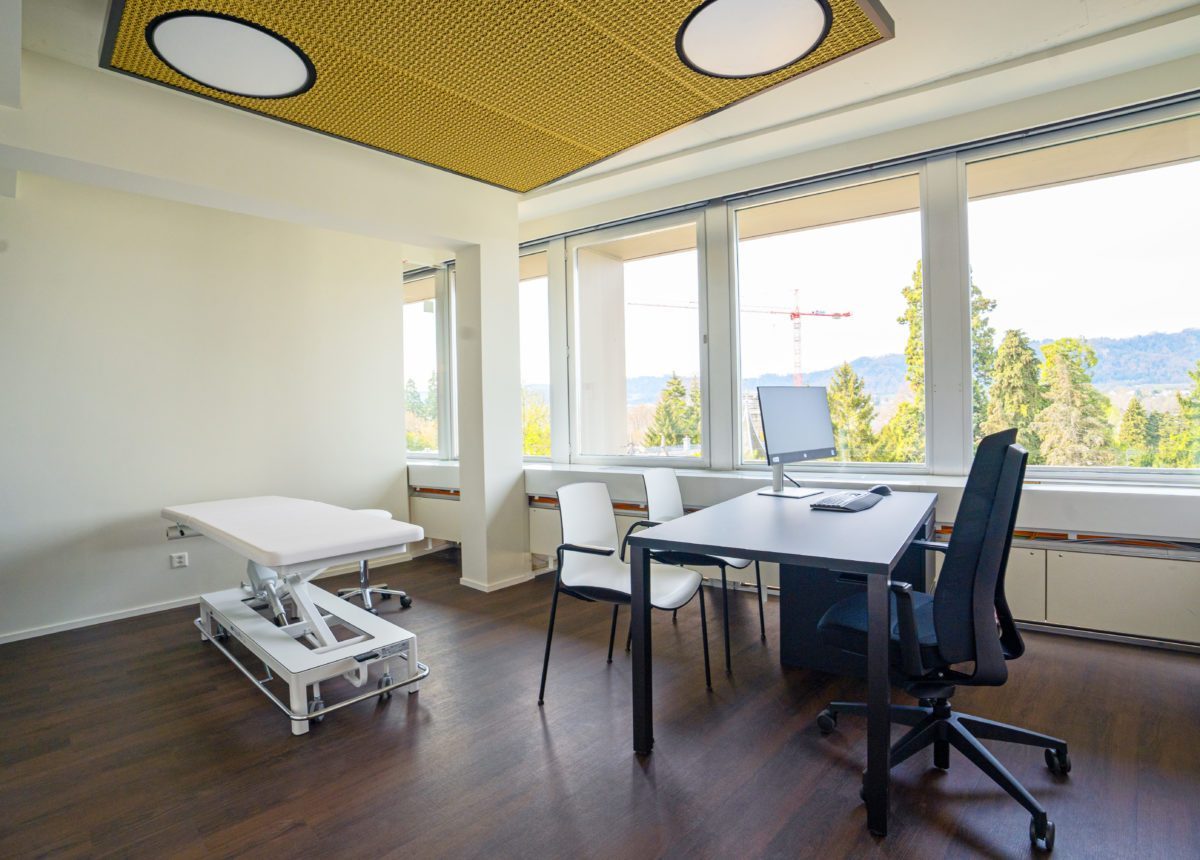
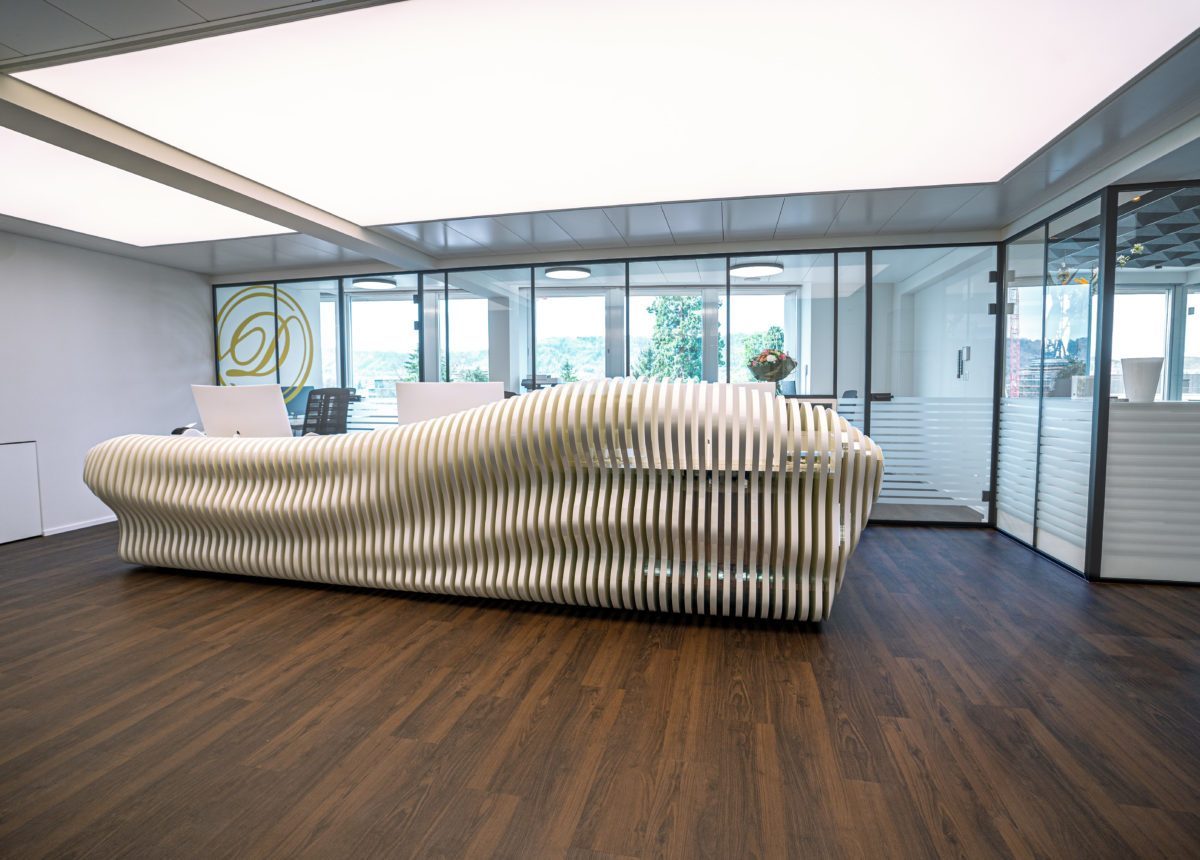
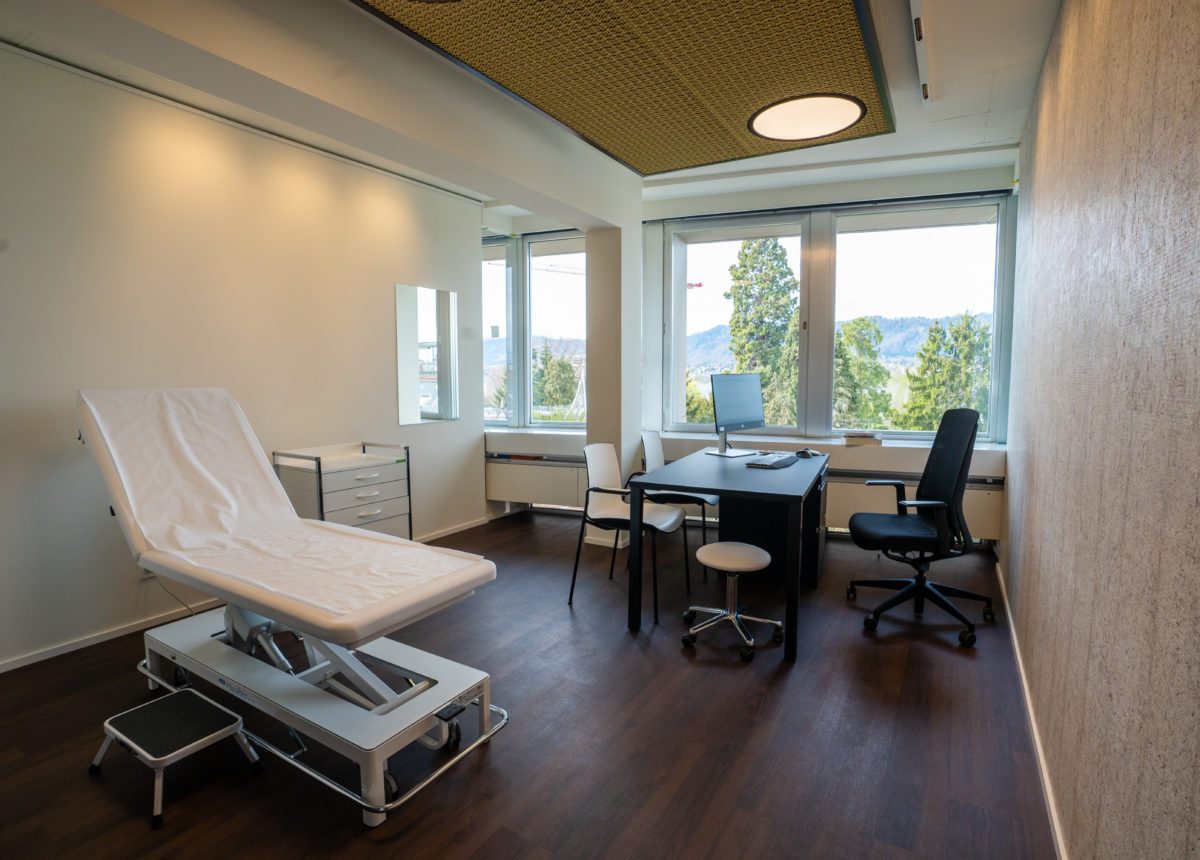
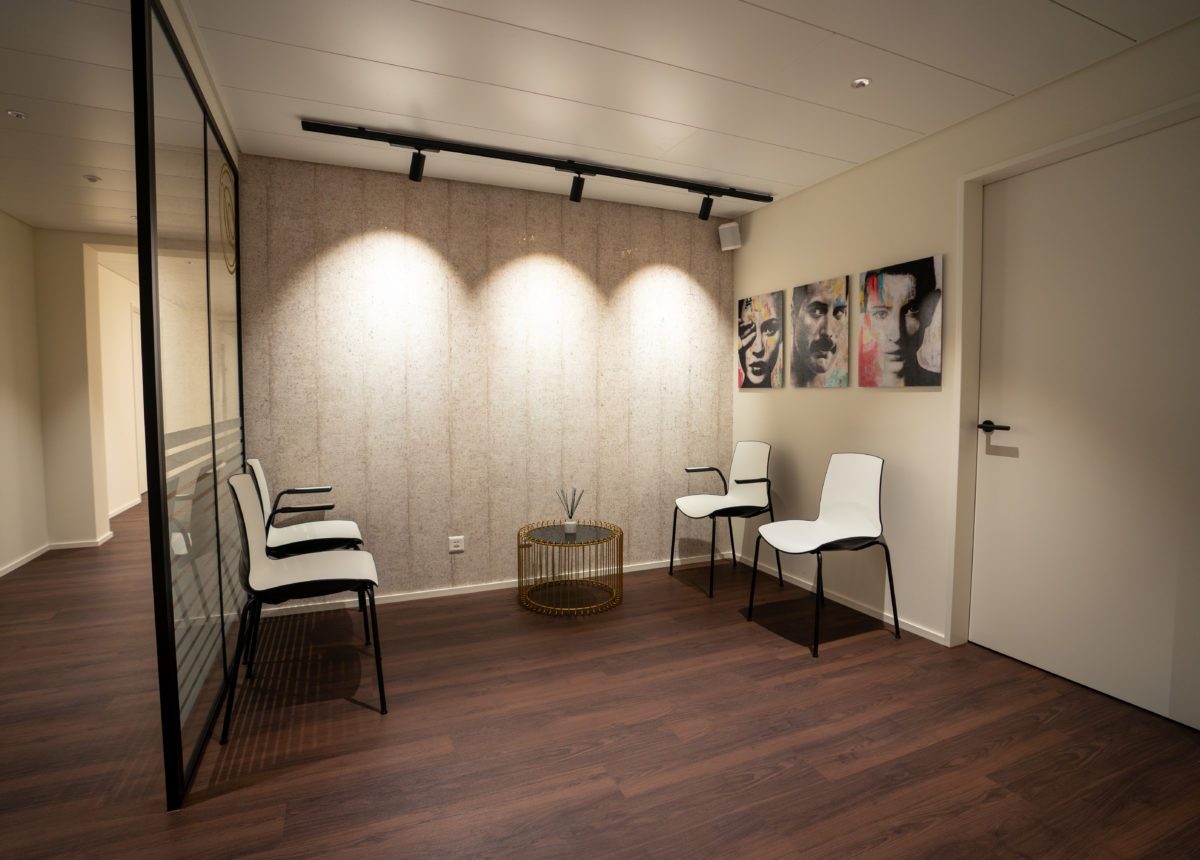
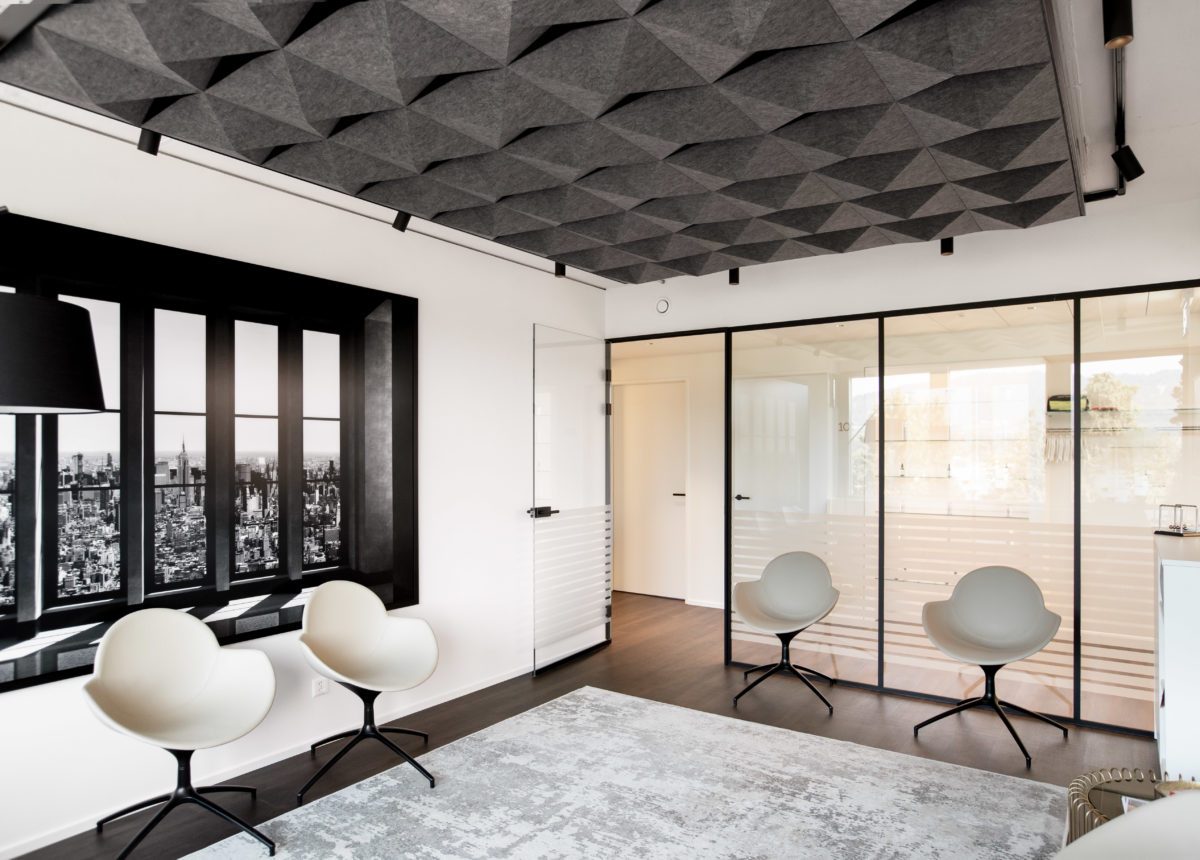
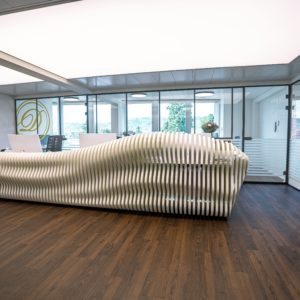
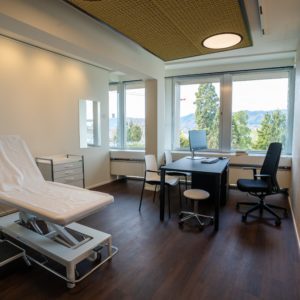
Der Erfolg und die Nachfrage unserer Kundinnen und Kunden hat uns dazu bewogen, eine weitere Hautklinik der Dermis Gruppe zu eröffnen. Neu ist im Zürcher Seefeld unser erfahrenes und kompetentes Team an Spezialistinnen und Spezialisten für Sie und Ihre Bedürfnisse da. Wir bieten Ihnen in unserer topmodernen und grosszügigen Klinik das gesamte Spektrum der Dermatologie, Dermatochirurgie sowie Allergologie an.
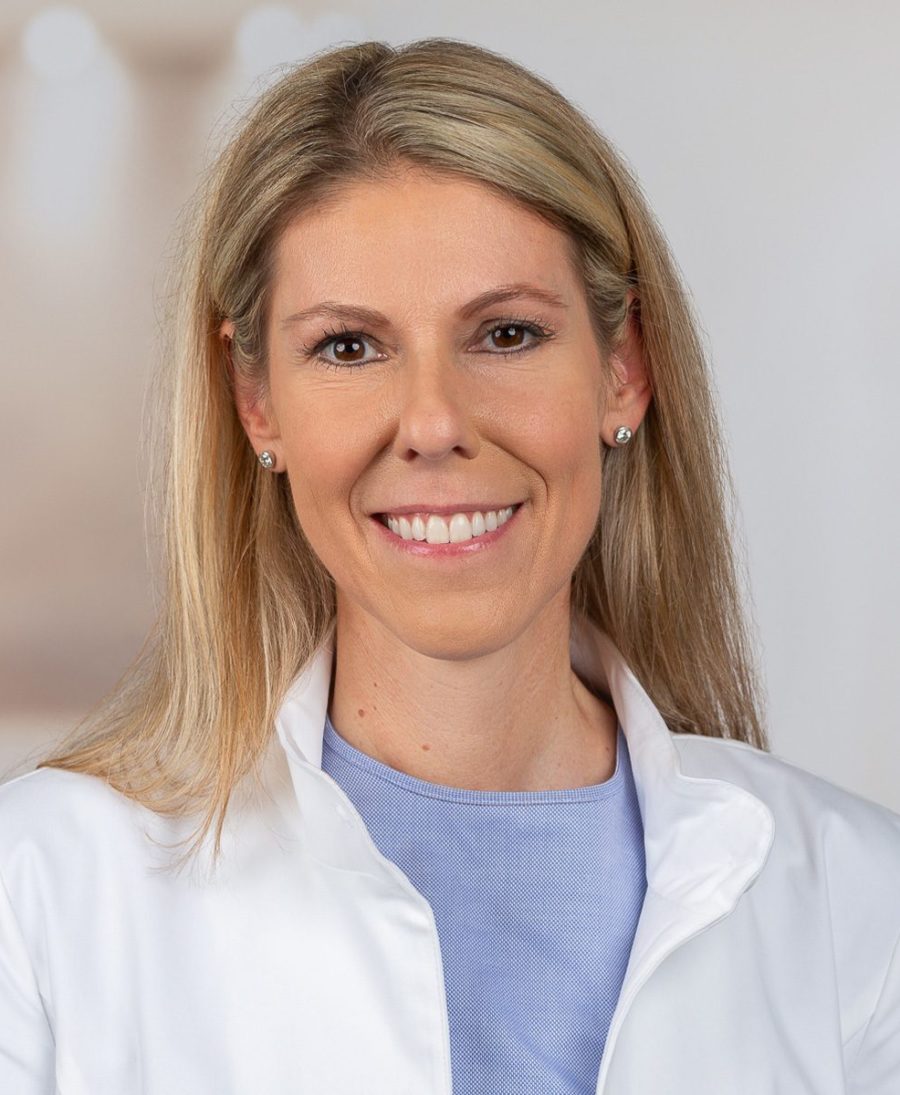
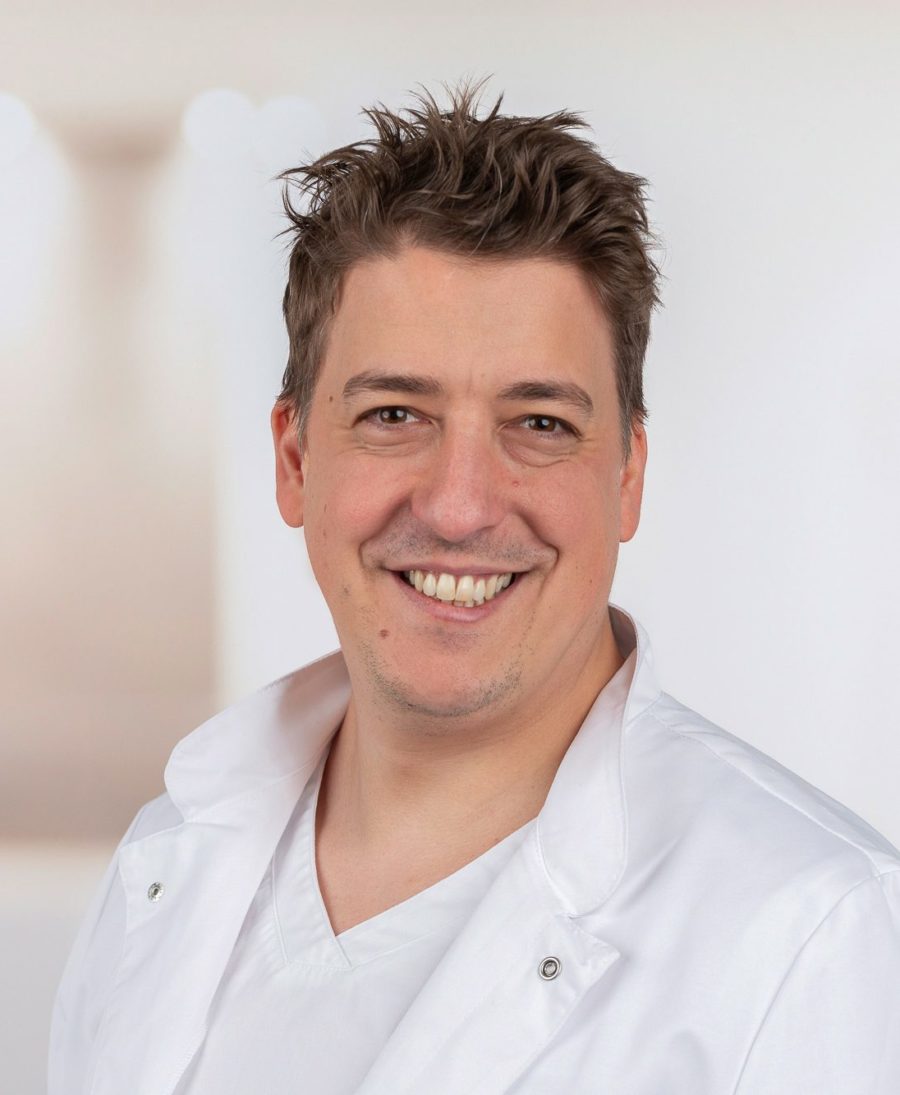
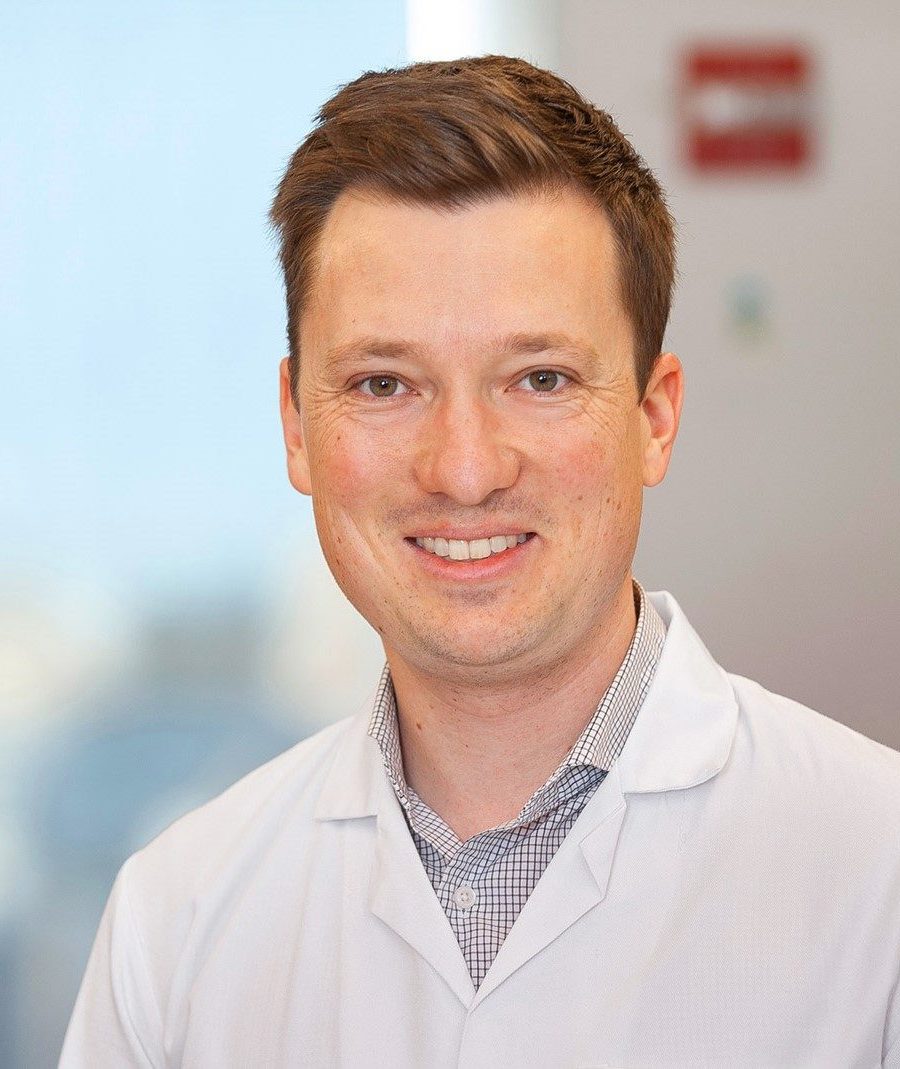
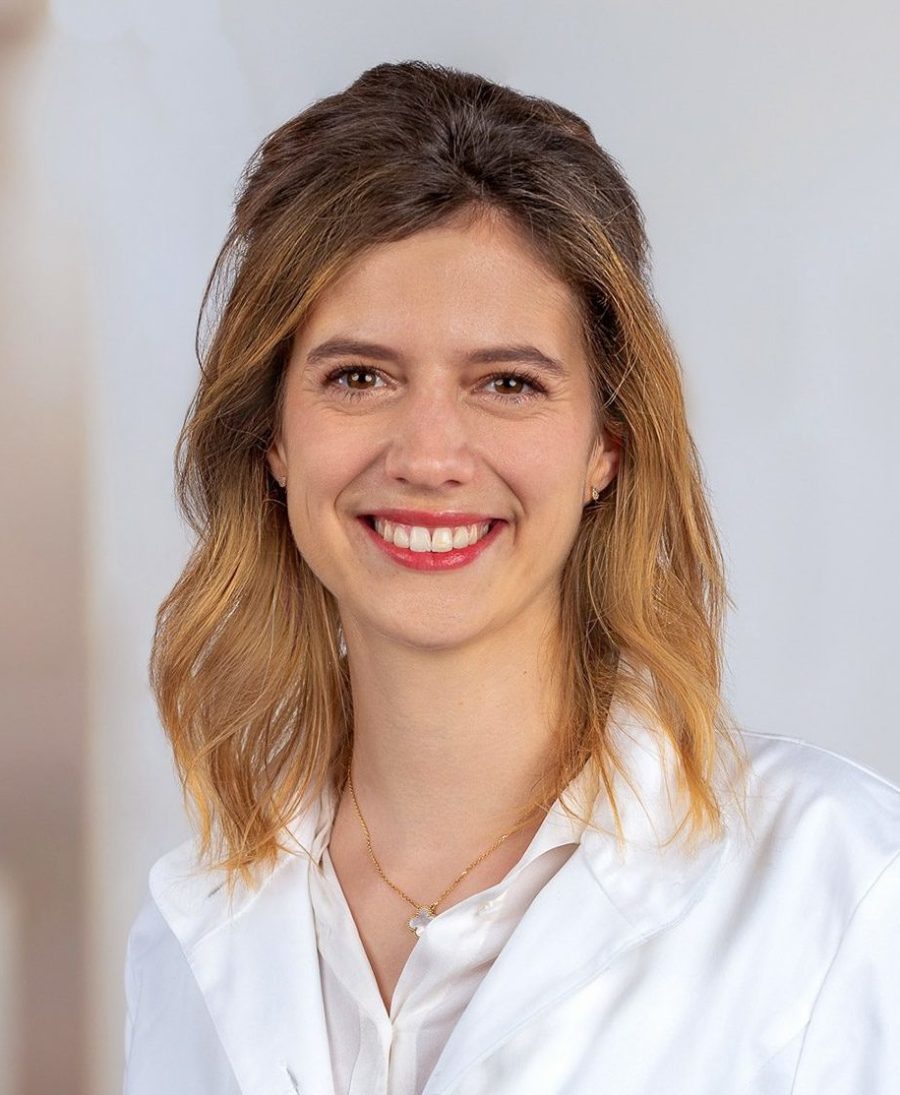
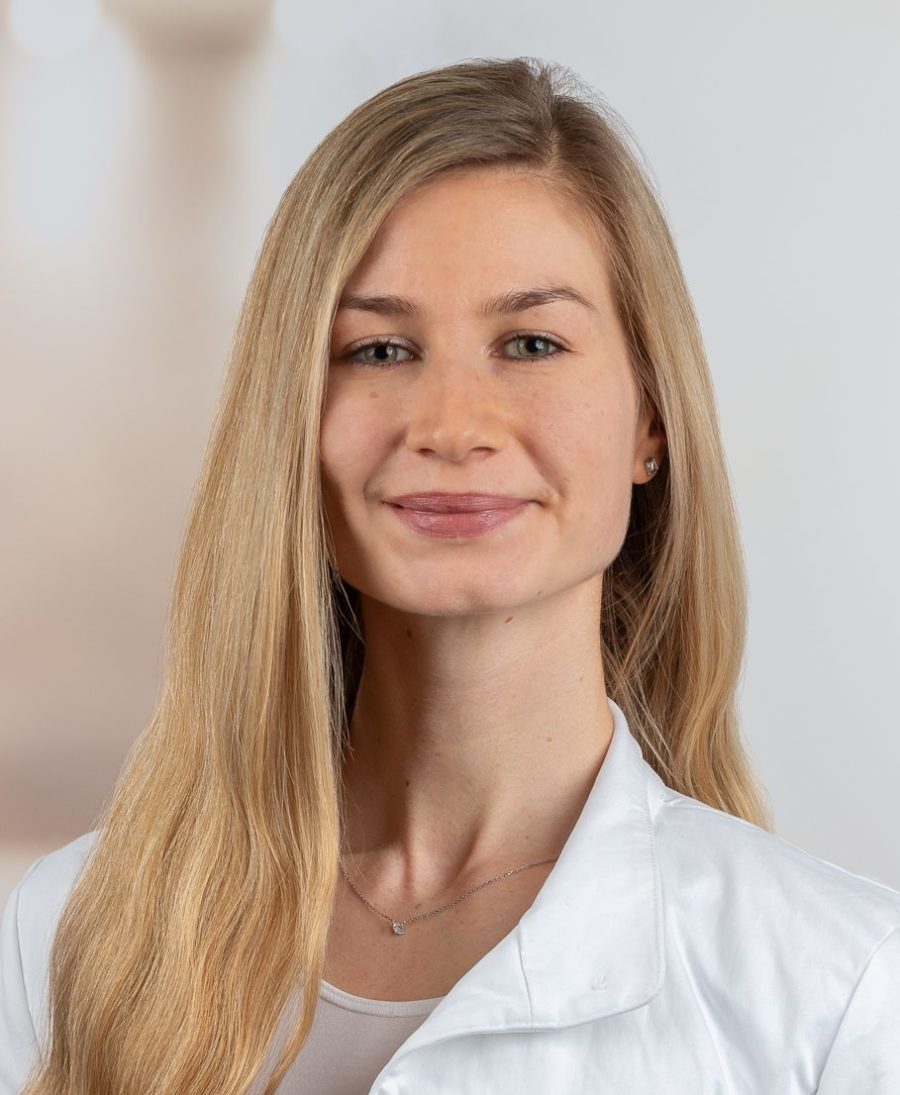
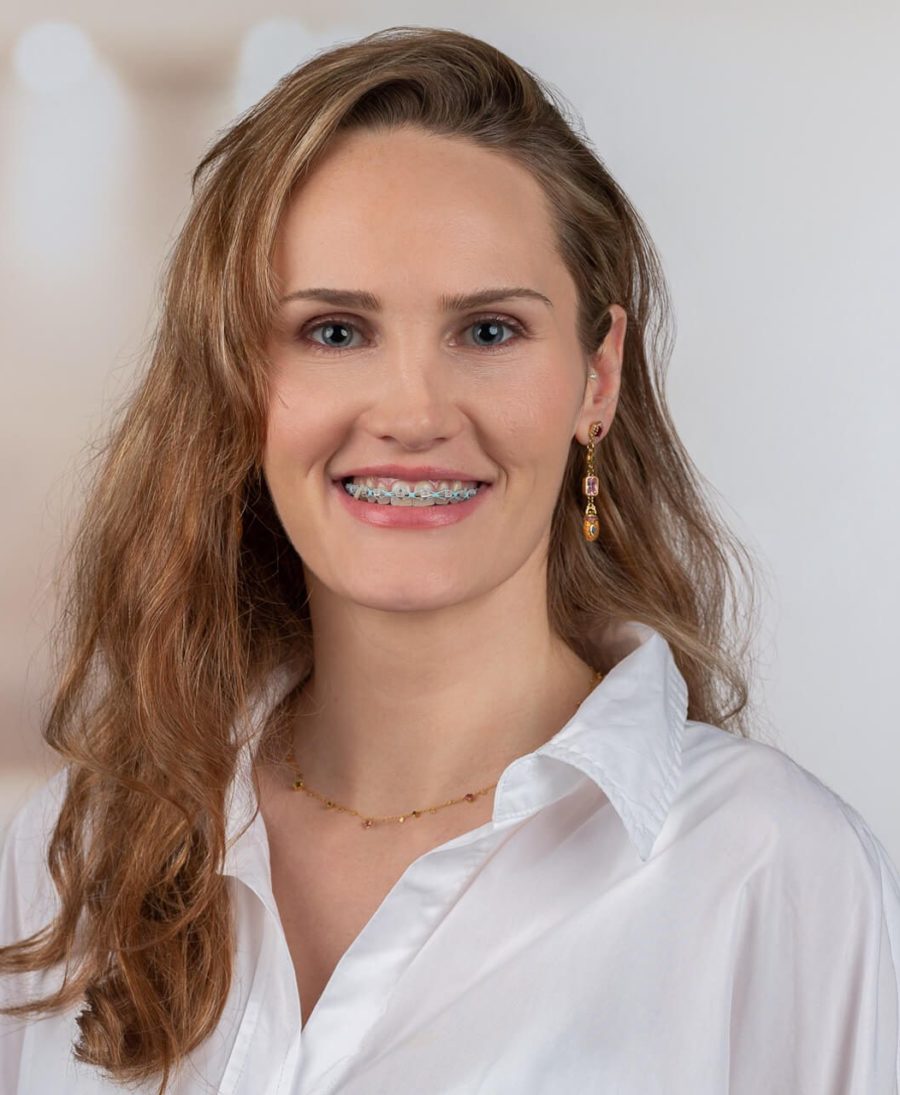
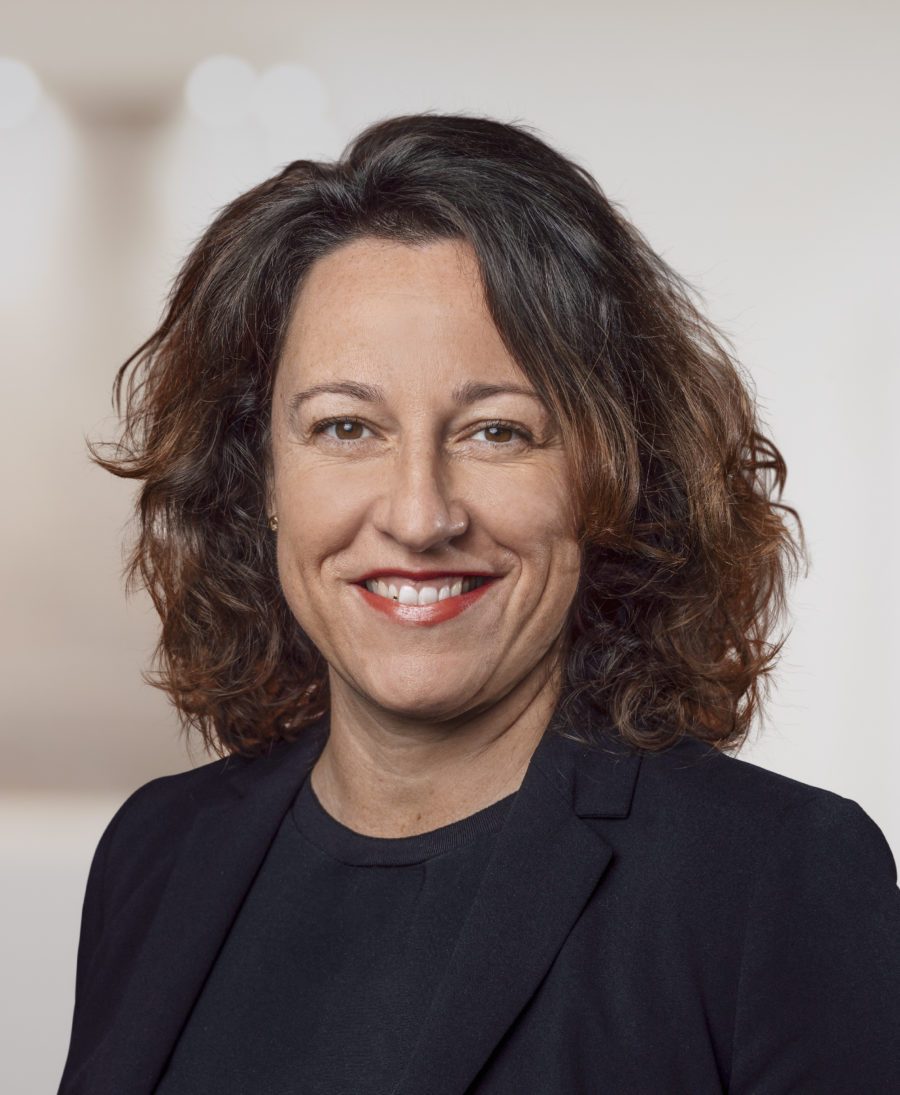
Ihr Ärzteteam in Zürich Seefeld
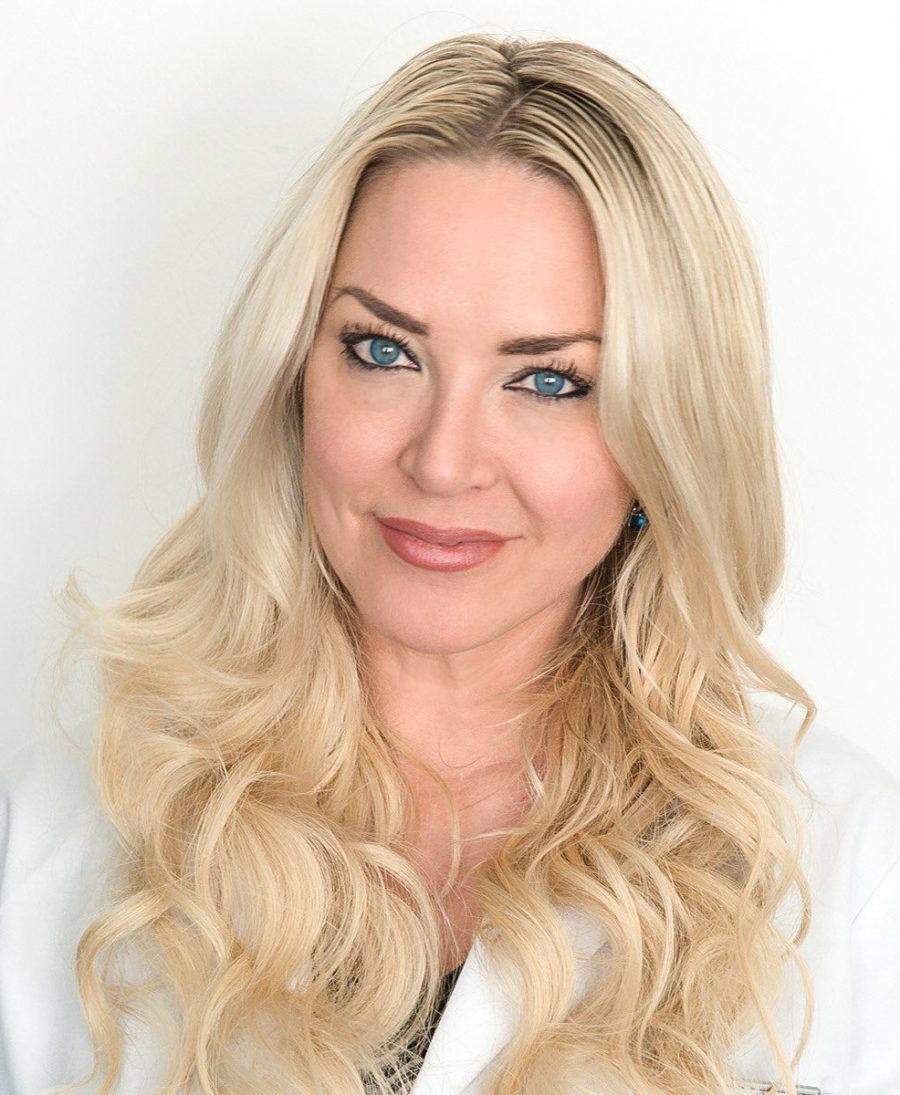
Deutsch, Englisch, Französisch, Finnisch
Deutsch, Englisch
Deutsch, Englisch, Italienisch, Französisch, Spanisch
Deutsch, Französisch, Englisch
Deutsch, Englisch, Italienisch, Französisch, Spanisch
BUCHEN SIE IHREN TERMIN ONLINE
Gerne beraten wir Sie und stellen Ihnen ein individuell auf Sie abgestimmtes Programm zusammen.
+41 44 555 08 00
Telefonische Öffnungszeiten: 07:30 – 17:00 Uhr
Swiss Line Hautpflege – Von der Biologie inspiriert
Die Philosophie von Swiss Line ist ganz einfach:
Intelligente Hautpflege arbeitet nicht gegen die Haut, sondern mit ihr und respektiert ihre Bedürfnisse. Von der Konzeption bis zur Herstellung fliesst Swiss Line’s «Schweizer DNA» in jedes Produkt ein. Die preisgekrönten Formeln enthalten natürliche und hautähnliche Wirkstoffe wie Hyaluronsäure, Kollagen, Niacinamid, Prä- und Probiotika, Madecassoside® und viele mehr.
Die hochwertigen Produkte von Swiss Line sind weltweit an exklusiven Orten erhältlich.
Dermis zählt zusammen mit anderen medizinischen Kliniken, Medi-Spas, 5-Sterne-Hotels zum Golden Circle-Partnern von Swiss Line.
Bei Dermis Zürich Seefeld kommen sie in den Genuss von folgenden Swiss Line Behandlungen
Le Grand soin au Collagène pur — 90min — CHF 350
Die unverkennbare Luxus-Behandlung von Swiss Line
Bei dieser umfassenden, hauterneuernden Gesichtsbehandlung kommen hochwertige Inhaltsstoffe und zum Einsatz.
Reines hauteigenes Meereskollagen, Peptidtechnologien, reine Seide und pflanzenbasierte Wachstumsfaktoren wirken verjüngend auf strapazierte, stumpfe oder gealterte Haut.
Kombiniert mit einer modellierenden Gesichtsmassage verleiht sie der Haut sofort mehr Fülle und ihrem Teint ein strahlendes Aussehen.
Evenness — 60min — CHF 200
Die Behandlung beginnt mit einer intensiven Reinigung und einem Peeling, um das Erscheinungsbild eines ungleichmässigen Hauttones zu minimieren. Sie verbessert die Klarheit der Haut für einen vollständig leuchtenden und gesund aussehenden Teint.
Hydra Soothing — 60min — CHF 200
Diese Gesichtsbehandlung versorgt das Gesicht und die Augenpartie mit medizinisch anerkannten Wirkstoffen. Die Behandlung stimuliert die Zellerneuerung. Feine Linien und Fältchen werden geglättet und Ihre Haut sieht jugendlich frisch aus.
Purity — 60min — CHF 200
Mit einer professionellen Maske, die eine hohe Konzentration an Enzymen enthält, um die Haut zu klären und gleichzeitig Reizungen und sichtbare Rötungen zu beruhigen.
Entdecken Sie jetzt die preisgekrönten Swiss Line Formeln in unserem Online-Shop.
Formular für ärztliche Zuweisungen
Hat Ihre Patientin oder Ihr Patient eine dermatologische Erkrankung oder Fragestellung? Dann können Sie als Ärztin oder Arzt Ihre Patientin oder Ihren Patienten mit diesem Formular an uns zuweisen. Je nach Dringlichkeit erhalten Sie umgehend Bescheid.